
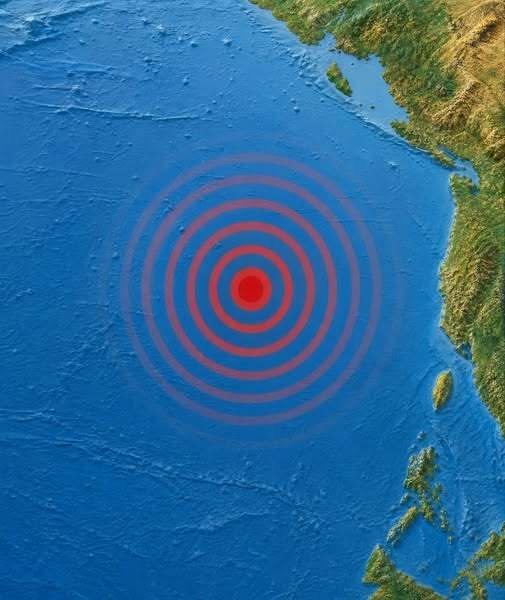
When the Ground Shakes: How Communities Respond to Sudden Earthquakes
An earthquake can transform an ordinary day into a moment of uncertainty within seconds. The shaking may last only briefly, but the emotional impact can continue long afterward. Once the ground becomes still again, residents often face a difficult period of checking homes, contacting loved ones, and waiting for reliable information from emergency officials.
The first hours after a strong tremor can be especially unsettling. People may remain outside because they are concerned about damaged buildings, while emergency crews assess roads, structures, and other potentially hazardous areas.
The Uneasy Calm After an Earthquake
After the initial shaking stops, communities can experience an unusual sense of vulnerability.
Small movements, unfamiliar sounds, or even ordinary vibrations from traffic can cause people to worry that another earthquake is beginning. This heightened awareness is a natural response after a frightening event.
Authorities commonly advise residents to remain cautious and pay attention to official instructions. Aftershocks can occur following a larger earthquake, and structures that appear stable from the outside may have hidden damage.
For that reason, people are generally encouraged not to enter seriously damaged buildings until they have been assessed as safe.
What the Morning Can Reveal
Daylight often provides a clearer picture of what has happened.
Damage may include fallen objects, cracked walls, broken windows, damaged facades, and debris along streets or sidewalks. In more serious situations, roads and utilities can also be affected.
The visible damage, however, represents only part of the challenge. Emergency workers must determine which structures are safe, identify areas requiring assistance, and make sure residents can access essential services.
This process can take time, particularly when many people need help simultaneously.
Why Aftershocks Can Be Frightening
One of the most difficult aspects of an earthquake is the uncertainty that follows the main tremor.
Aftershocks are smaller earthquakes that occur after a larger seismic event. While they are generally less powerful than the main earthquake, they can still be unsettling and may cause additional damage to structures that were already weakened.
That is why earthquake preparedness does not end when the first shaking stops.
Residents are often encouraged to keep emergency supplies available, follow instructions from local authorities, and avoid taking unnecessary risks around damaged buildings.
Unexpected Details Can Appear After a Disaster
In the aftermath of a major event, people sometimes notice details that seem unusual or difficult to explain.
For example, birds and other wildlife may behave differently when their surroundings suddenly change. Vultures and other scavenging birds can also gather in areas where food sources are available.
However, unusual marks, stains, or debris seen after a disaster should not automatically be attributed to wildlife or another dramatic explanation without evidence.
Photographs and eyewitness descriptions can be interesting, but determining exactly what caused something often requires an on-site investigation.
Nature Continues While People Recover
One striking feature of any disaster is the contrast between human disruption and the natural world continuing around it.
While residents inspect their homes and emergency crews work through damaged areas, birds may continue flying overhead and animals may move through their usual surroundings.
That contrast can make an already unusual situation feel even more surreal.
It also serves as a reminder that disasters affect more than buildings and roads. They temporarily change the environment in ways that people and wildlife must both navigate.
The Importance of Reliable Information
During an earthquake, information can spread extremely quickly.
Social media posts, videos, photographs, and eyewitness accounts may appear within minutes. Some can provide useful information, but others may contain inaccurate locations, exaggerated descriptions, or old footage presented as something recent.
This makes official information particularly important during emergencies.
Residents should rely on local emergency agencies, geological organizations, and established news sources for updates about earthquake magnitude, aftershocks, evacuation instructions, road conditions, and building safety.
Recovery Takes More Than a Few Hours
Once the immediate danger has passed, recovery can take considerably longer.
Residents may need to repair homes, replace damaged belongings, deal with interruptions to utilities, and cope with the emotional effects of the experience.
Communities often rely on emergency personnel, volunteers, neighbors, and local organizations during this period.
The response is not simply about repairing physical structures. It is also about helping people regain a sense of safety and normality.
A Reminder of How Quickly Life Can Change
Earthquakes are a powerful reminder that ordinary routines can be interrupted without warning.
A quiet street can suddenly become an emergency scene. A familiar building can require inspection. A normal morning can become a day focused entirely on safety and recovery.
Yet these events also reveal the importance of preparation and community cooperation.
Knowing where to seek reliable information, keeping basic emergency supplies available, understanding safe behavior during shaking, and checking on vulnerable neighbors can all make a difference.
Moving Forward
The strongest lesson after an earthquake is often not the dramatic moment when the ground moves, but what happens afterward.
People assess the damage. Emergency workers respond. Families reconnect. Communities begin cleaning up and repairing what was damaged.
The process may be slow, but each step represents a return toward stability.
And while the memory of the shaking may remain for a long time, preparedness, reliable information, and cooperation can help communities face whatever comes next.



One Comment on “When the Ground Shakes: How Communities Respond to Sudden Earthquakes 32”